
Plastik enjeksiyon sektöründe ürün kalitesini doğrudan etkileyen görsel kusurların başında gri ya da gümüş dalgalanmalar gelir. Teknik kaynaklar bu sorunu “splay marks” olarak tanımlar. Dalgalanmalar ürün yüzeyinde çizgi, leke veya parıltı şeklinde ortaya çıkar. Yüksek kalite beklentisi olan sektörlerde üreticiler bu tür hataları kabul edilemez bulur.
Bu yazımızda, Vincita Plastik olarak yılların getirdiği üretim deneyimiyle, gri ve gümüş dalgalanmaların nedenlerini ve kalıcı çözümlerini paylaşıyoruz.
What Are Gray and Silver Streaks?
In injection-molded plastic parts, fine, wavy, shiny, or hazy lines appearing on the surface are called gray or silver streaks. These marks typically form due to gas, moisture, or additive residues within the molten plastic. While they do not directly affect the mechanical properties of the product, they significantly reduce visual quality.
What Are the Main Causes of Gray and Silver Streaks?
- Granules that have not been properly dried release steam when heated during injection, causing microscopic explosions inside the mold.
- Üreticiler bu sorunu özellikle PA (polyamid), PET, PC ve ABS gibi higroskopik malzemelerde sıkça gözlemler.
- Excessive speed and pressure cause turbulent flow of the material, creating gas marks on the surface.
- Yanlış kalıp tasarımı veya havalandırma; kalıpta yeterli hava tahliye kanalları yoksa, hava sıkışarak gümüş rengi izler oluşturur.
- Material degradation or burning.
- Excessive heating of the material or prolonged residence in the mold can cause degradation within its structure.
- Uyumlu olmayan veya iyi dağılmayan katkı maddeleri (örneğin pigmentler), gri ve gümüş dalgalara yol açar.
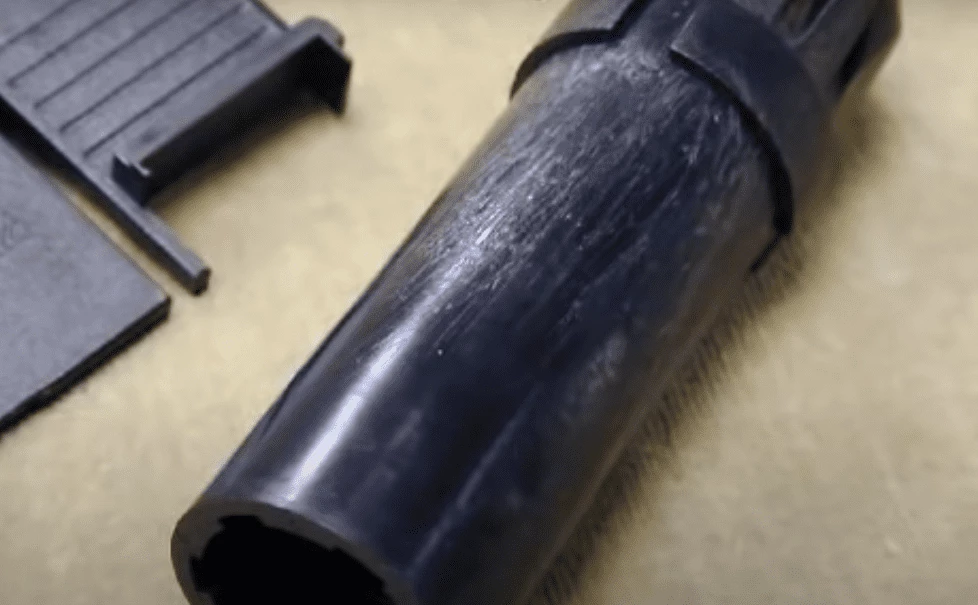
Prevention and Solutions for Gray and Silver Streaks
- Malzemenin özelliğine göre uygun sıcaklık ve sürede kurutma yapılmalıdır. PA maddesi için 80–90°C’de en az 4 saat kurutma yapmalısınız.
- Check the calibration of your drying equipment.
- Adjust the injection speed and pressure without exceeding recommended limits.
- Optimize the machine parameters.
- Geri basınç değerini düşürerek malzeme içinde hava kabarcıklarını azaltın.
- Review the mold ventilation.
- If the mold has insufficient ventilation, additional venting channels should be added.
- During mold maintenance, the venting channels should be cleaned.
- Low-quality or high-recycled-content raw materials are more prone to such surface defects.
- Üretim geçişlerinde, meme ucunda kalan eski malzeme artıklarının temizlenmesi gerekir.
Standardize Quality with Vincita Plastik
Vincita Plastik offers not only high-quality products but also solutions that help optimize your production processes, leveraging industry expertise and engineering support. You can work with our experienced team to minimize potential surface defects in the injection process.
Conclusion
Gri ve gümüş dalgalanma problemi, enjeksiyon üretiminde karşılaşılan zorluklardan biridir; ancak doğru analiz ve üretim parametreleriyle bu problemi kolayca önleyebilirsiniz.
Üretim süreçlerinizi iyileştirmek ve nihai ürün kalitenizi yükseltmek için Vincita Plastik olarak her zaman yanınızdayız. Daha fazla bilgi ve teknik destek için bizimle iletişime geçebilirsiniz.
No comments yet.